Inside Bangkok’s quiet war over land
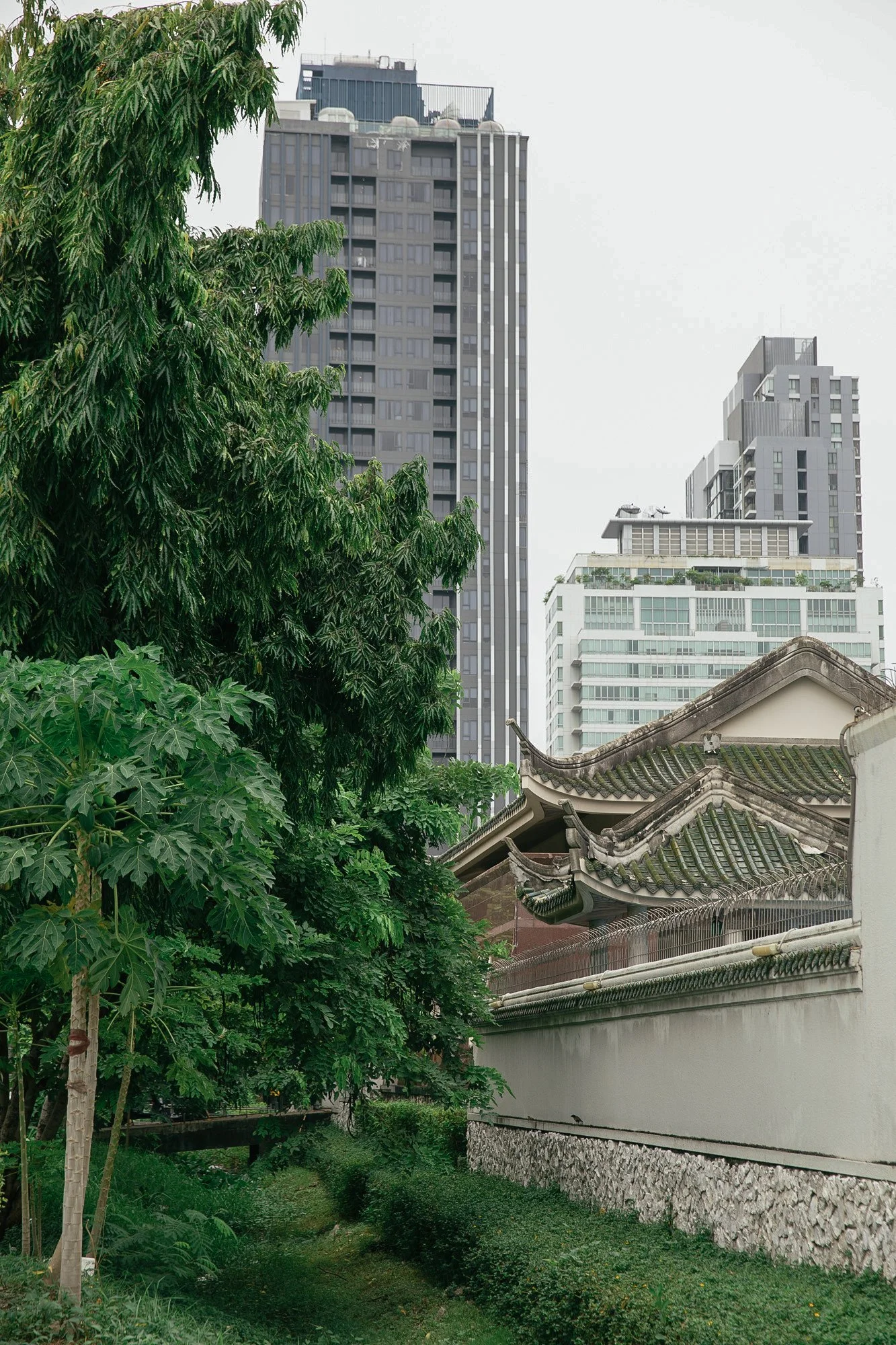
Bangkok is changing fast. Glass towers now pierce the skyline where small homes and quiet alleys once stood. Shiny developments promise a better future... but for whom?
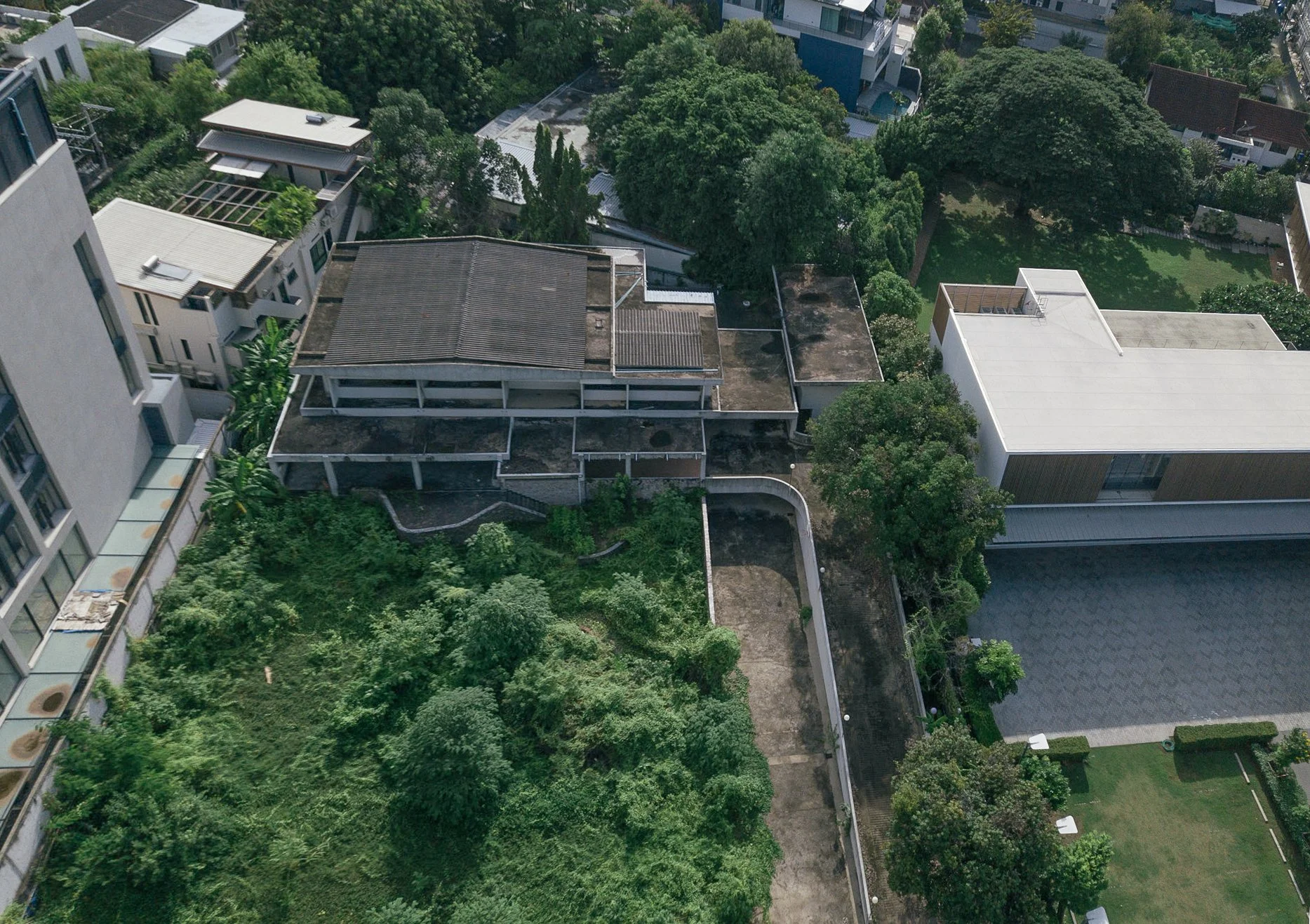
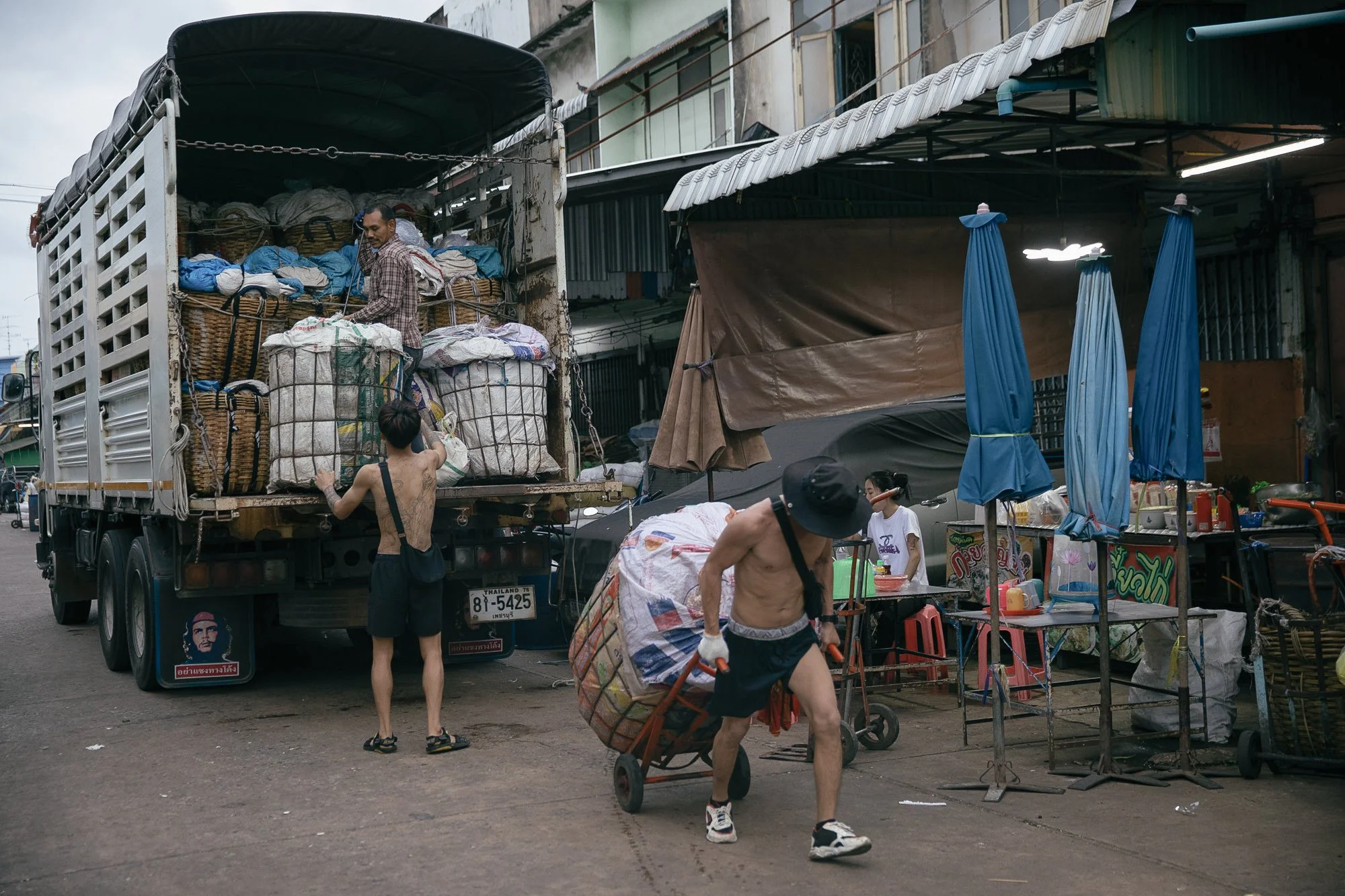
From wealthy streets in Sukhumvit to the edge of the informal settlement of Khlong Toei, high-rise developments and mega-projects are reshaping the city. In the name of progress long-standing communities are erased for “smart cities”
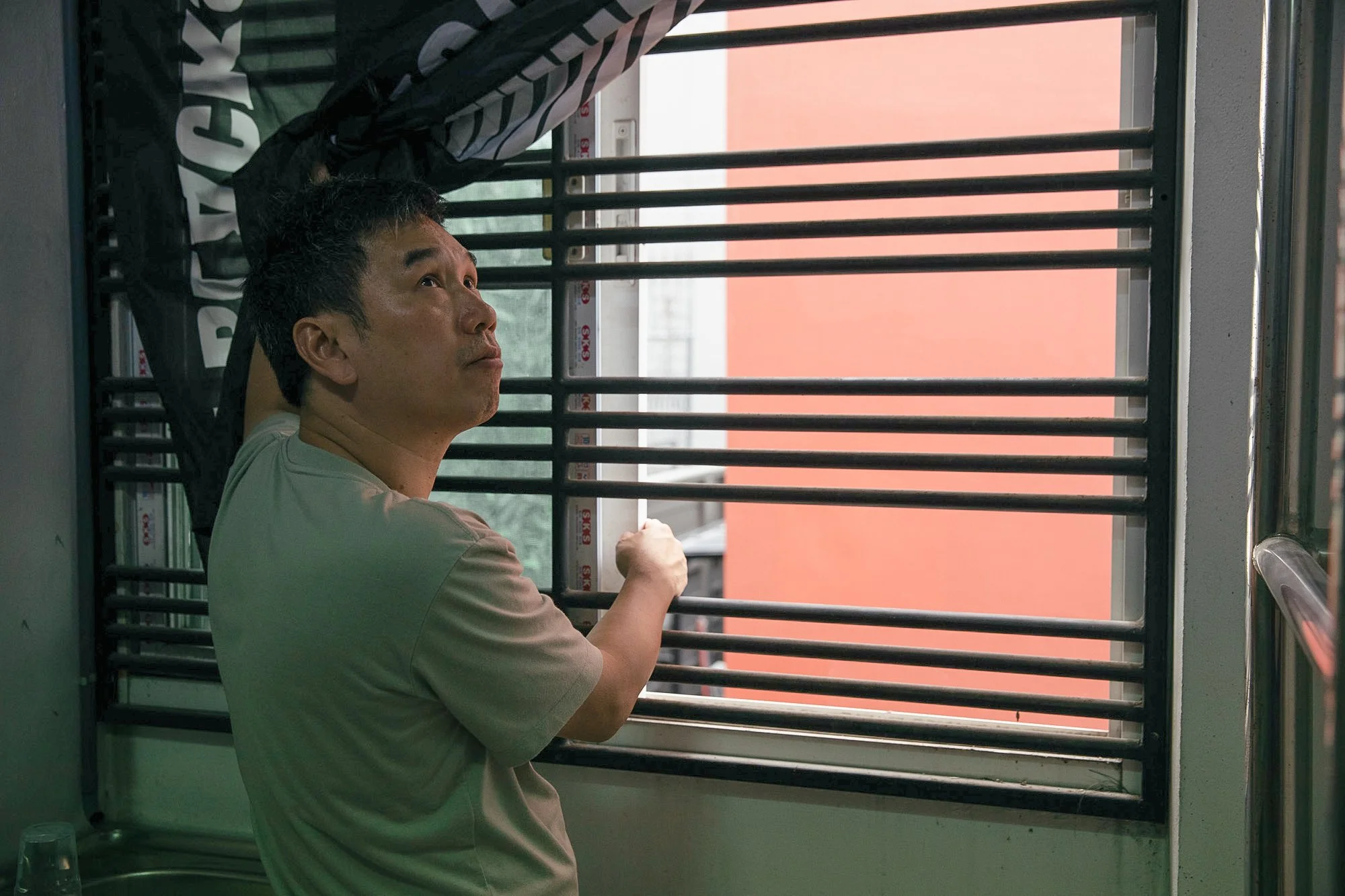
This project began in Sukhumvit 53, where a group of neighbours decided to resist. When a luxury high-rise was approved on their narrow street, they took the city to court. What they’re fighting for is simple: the right to live safely, to be heard, to not be erased.
In Bangkok, these fights are becoming more common. Buildings rise just centimeters from old homes. Cracks appear in bedroom walls. Dust and vibration take hold. Some residents are never consulted. Others are offered no compensation. And behind it all, there are quiet deals and blind approvals decisions made without transparency, without accountability
And now, the future looks even more uncertain. Laws once meant to protect residents and regulate growth are being quietly dismantled. Where previously condominiums had strict limits on foreign ownership, these safeguards are now being scrapped opening the market to large-scale investment from abroad, particularly from Chinese buyers. At the same time, the mayor has announced plans to rezone most of Bangkok as “red,” removing restrictions on high-rise construction and fast-tracking new developments in areas that were once protected. What little planning remains is no longer about the people who live here but about how much profit the land can yield.
Their story is a window into a wider crisis: the erosion of urban rights in a city increasingly shaped by private interests and broken planning. Who gets to stay? Who gets to build? what does justice look like in a city that’s being rebuilt from the top down and what happen when it stops listening to the people who call it home? This work seeks to map the human cost of unchecked urban expansion.